From Initiation to Academia, Step by Step
1. Early Years: Bilingual Immersion • Interest Initiation (Ages 3–6)
As the introductory phase of IB PYP, language learning centers on play-based and contextualised approaches to foster linguistic awareness and communicative curiosity.
Our co-teaching model with local and international teachers delivers a minimum of 6 hours of daily bilingual immersion. Daily interactions, play activities and thematic inquiries are conducted bilingually, enabling children to familiarise themselves with the sounds and rhythms of both languages through natural engagement.
Nursery rhyme movement, shared storybook reading, finger plays and role-play stimulate language interest, laying initial foundations for English listening & speaking and Chinese expressive skills.
Cross-cultural language games, paired with rhymes and folk tales from diverse nations, allow children to perceive cultural differences behind languages in enjoyable ways.
2. Primary: Integrated Inquiry • Foundational Competency Building (Ages 6–12)
Continuing into the formal PYP curriculum, language learning is deeply integrated with transdisciplinary inquiry to consolidate linguistic foundations and thinking skills.
Chinese (Language A): Aligned with China’s National Curriculum Standards, lessons cover Pinyin, character writing, reading comprehension and basic composition. Complemented by Chinese classic recitation, poetry appreciation and Minnan nursery rhymes, this subject runs 5–6 periods weekly, balancing practical utility and humanistic value.
English (Language B): Following IB PYP language acquisition standards and taught by international teachers, it builds comprehensive listening, speaking, reading and writing competencies through levelled reading, creative writing, group debates and drama. With 6–7 periods weekly, it combines authentic international materials and locally adapted content.
Transdisciplinary Integration: Bilingual project-based learning is organised around the six PYP transdisciplinary themes, such as bilingual campus plant observation reports and bilingual presentations for International Cultural Festival. Language functions as a tool for knowledge inquiry rather than a standalone subject.
3. Middle School: Academic Deepening • Advanced Thinking (Ages 12–15)
Under the IB MYP framework, language learning becomes academic and systematic, prioritising language application and critical thinking.
Chinese (Language A): Lessons advance literary appreciation and formal writing, including analysis of classic global and Chinese texts, modern prose, argumentative essays and public speaking. With 4–5 periods weekly, it incorporates modules on Chinese history and Minnan regional literature to strengthen cultural identity.
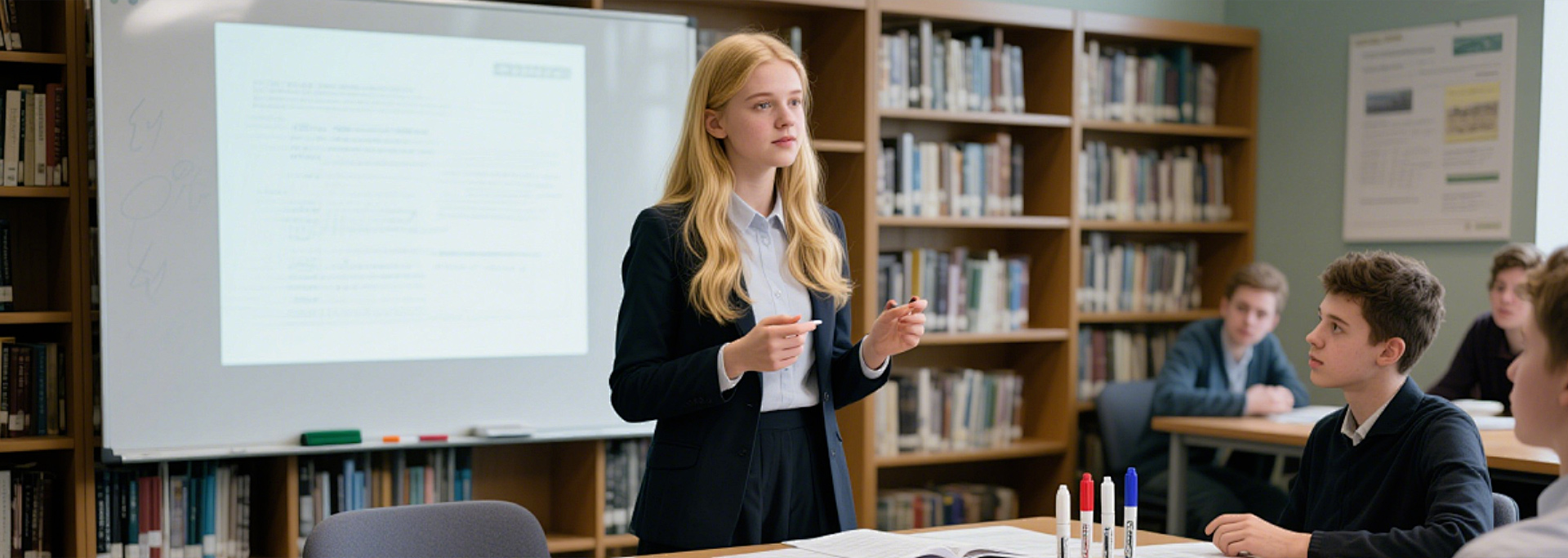
English (Language B): Offered at SL/HL differentiated levels, it focuses on academic English: academic reading, research report writing, oral defence and debates on global issues. Taught by international teachers for 6–7 periods weekly, supplementary EAL (English as an Additional Language) support caters to learners of varied proficiency.
Cross-Cultural Inquiry: Linked to MYP Global Contexts, activities including East-West cultural comparison and bilingual seminars on international issues help students embrace diverse perspectives through language use.
4. High School: Advanced Academic Study • University Preparation (Ages 15–18)
Built upon the IB DP curriculum, language learning emphasises academic rigour and university readiness to prepare students for global higher education.
Language and Literature (Language A – Chinese): Delivered at HL/SL levels, it focuses on literary criticism, academic writing and cross-cultural textual analysis, covering canonical works from ancient to modern times across the world. With 4–5 periods weekly, it develops critical reading and sophisticated expression for academic work in the mother tongue.
Language Acquisition (Language B – English): Offered at HL/SL levels, it hones core academic English skills including academic essay writing, citation conventions and oral defence, alongside IELTS/TOEFL preparation. Taught by IB-certified international teachers for 6–7 periods weekly, it fully meets the academic language demands of overseas universities.
Enrichment Programmes: AP English Language and Composition, coaching for international academic competitions such as Model United Nations and English debating tournaments, and specialised cross-cultural communication courses boost university admission competitiveness.
Elective Additional Languages (Optional): Introductory Spanish and French courses are available for interested students to broaden their linguistic horizons.